Glock Switch Charges in New Jersey: What the 2026 Conversion Device Law Means
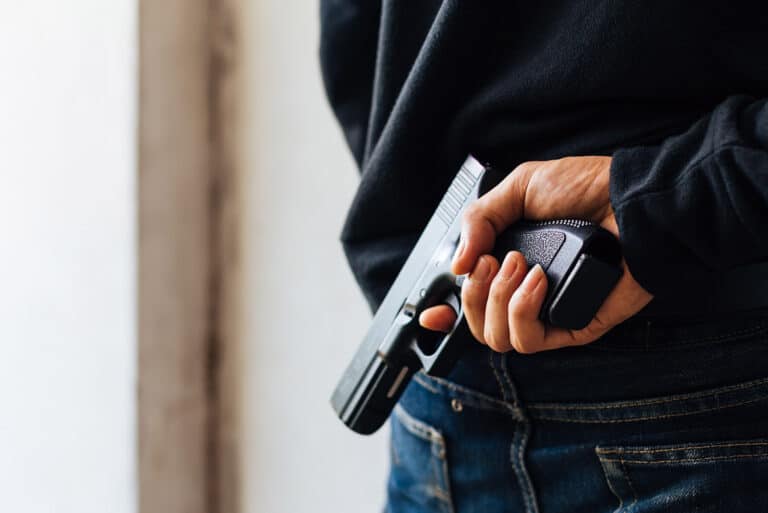
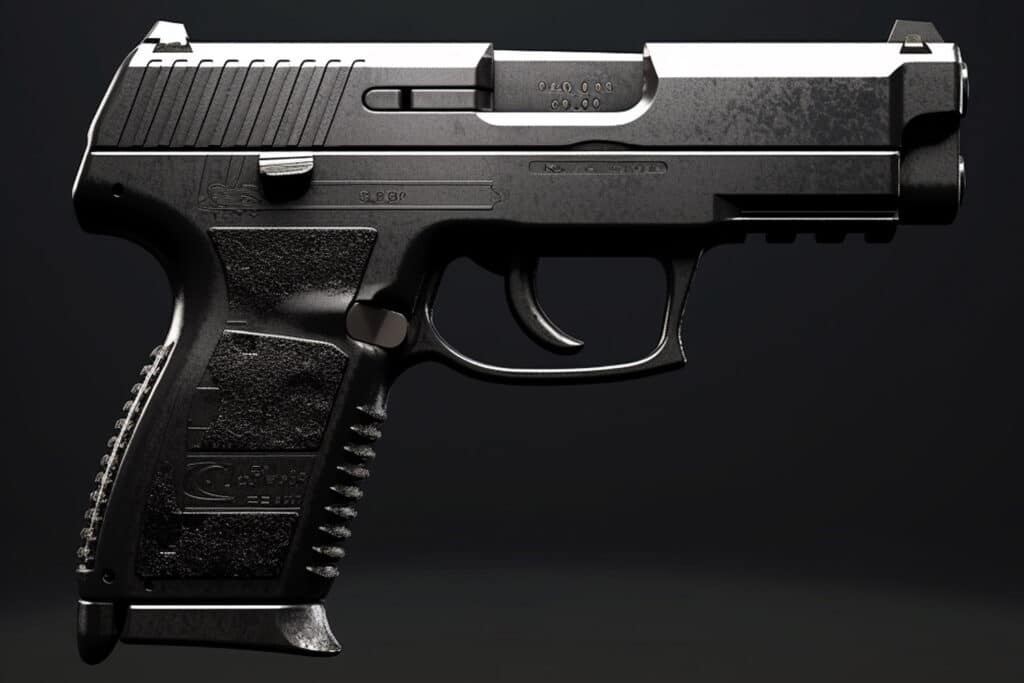
A Glock switch (or auto sear) is a small device that transforms a semi-automatic handgun into a fully automatic weapon. Instead of firing one round with every pull of the trigger, a gun equipped with one of these devices can fire multiple rounds continuously. These conversion devices can be purchased online for relatively little money or produced with a 3D printer. Although the device itself is small, it can substantially change the way a gun works and the criminal exposure of the person who has it.
New Jersey’s 2026 Glock Switch Law
New Jersey has long prohibited the unlawful possession of machine guns. Until 2026, cases involving Glock switches and similar conversion devices were generally handled through existing machine gun laws. That changed on January 20, 2026, when a new law took effect specifically addressing the possession, manufacture, and distribution of machine gun conversion devices.
Under N.J.S.A. 2C:39-3(l), knowingly possessing a machine gun conversion device without also possessing a firearm to which it can be attached is now a third-degree crime. A person does not need to install the device, fire a weapon, or own a gun to be charged. Possession of the device itself can be enough to result in prosecution.
The new law creates serious legal consequences for anyone found with one of these devices in New Jersey. Understanding what qualifies as a prohibited conversion device, how the law applies, and the potential penalties is important for anyone facing allegations involving a Glock switch or a similar firearm component.
What Is a Machine Gun Conversion Device Under New Jersey Law?
Under N.J.S.A. 2C:39-1(pp), a machine gun conversion device is defined as any device that is capable of converting a firearm into a machine gun. The law is not limited to the small metal switches made for Glock pistols. It also reaches 3D-printed plastic components, drop-in auto sears used in AR-15 rifles, and other devices that allow a semi-automatic firearm to fire more than one round with a single pull of the trigger.
The definition is broad enough to cover devices that are made commercially or produced privately. A conversion device does not need to be metal, sold as a finished product, or installed on a firearm to fall under the law. Its ability to convert a firearm into a machine gun is the main issue.
The statute also covers individual parts and combinations of components. Under New Jersey’s weapons definitions in N.J.S.A. 2C:39-1, subsection (i) defines a machine gun to include any part designed and intended to convert a firearm into an automatic weapon. It also covers combinations of parts designed and intended for that purpose, as well as parts from which a machine gun can be assembled if they are in one person’s possession or control.
Machine gun conversion devices differ from bump stocks and trigger cranks, which New Jersey banned in 2018 and which are addressed among the state’s prohibited weapons and devices. A bump stock harnesses a gun’s recoil to engage the trigger repeatedly, while a trigger crank turns the trigger with a rotating lever or similar mechanism. Conversion devices, by contrast, alter a gun’s firing mechanism so it fires continuously without a separate pull of the trigger for each shot.
Attaching a conversion device to a semi-automatic handgun or rifle can bring the modified gun within New Jersey’s legal definition of a machine gun. This distinction matters because possessing a conversion device alone and possessing a machine gun carry different criminal charges and penalties.
Glock Switch Penalties in New Jersey
New Jersey’s machine gun conversion device law carries significant criminal charges even when no firearm is involved. The degree of the charge depends on whether a person possesses the device alone, manufactures or distributes it, or has a firearm that qualifies as a machine gun.
Under N.J.S.A. 2C:39-3(l), possession of a machine gun conversion device by a person who does not have a firearm to which it can be attached is a third-degree crime. A conviction generally carries three to five years in prison and a fine of up to $15,000. Manufacturing, transporting, shipping, selling, or otherwise disposing of a conversion device is also a third-degree crime under N.J.S.A. 2C:39-9(j), which addresses the unlawful manufacture and disposition of firearms and related items, and carries the same penalty range.
The consequences are even greater if the conversion device is attached to a firearm and the modified weapon qualifies as a machine gun. Under N.J.S.A. 2C:39-5(a), knowingly possessing a machine gun without a license is a second-degree crime of unlawful possession of a weapon. A conviction generally carries five to ten years in prison and a fine of up to $150,000. For a broader overview of sentencing ranges, see our page on penalties for gun charges in New Jersey.
Consecutive Sentencing and the Graves Act
One of the key features of the new law is its sentencing structure. N.J.S.A. 2C:39-3(l) provides that a conviction for possession of a conversion device does not merge with a conviction for unlawful possession of an assault firearm or machine gun. The court must impose a separate sentence for each offense.
The law also requires the sentence for possession of a conversion device to run consecutively to a sentence for unlawful possession of an assault firearm or machine gun. Rather than serving both prison terms at the same time, the defendant must serve one after the other. That can significantly increase the total time spent in prison.
Machine gun possession may also trigger mandatory minimum sentencing under New Jersey’s Graves Act. In those cases, a person must serve a mandatory period of parole ineligibility before becoming eligible for release.
Firearm Permit and Immigration Consequences
A person convicted of a machine gun conversion device offense generally cannot lawfully purchase, possess, or sell a firearm in New Jersey. A conviction can also affect existing firearms purchaser identification cards (FPICs), handgun purchase permits, and permits to carry.
Noncitizens can face additional immigration consequences, including the risk of deportation or the loss of lawful immigration status. Anyone facing these charges should understand the allegations and their possible defense options before making decisions about the case.
3D-Printed Glock Switches and Digital Firearm Files
Machine gun conversion devices do not need to be commercially manufactured to be illegal in New Jersey. Some are made with 3D printers, which allow people to create functional firearm parts from digital designs. New Jersey already has laws addressing this type of manufacturing, and those laws apply to Glock switches and similar conversion devices, much like they apply to ghost gun possession and manufacturing offenses.
Under N.J.S.A. 2C:39-9(l), using a 3D printer or similar device to manufacture a firearm, firearm receiver, magazine, or firearm component without being registered or licensed as a manufacturer is a second-degree crime. The law also makes it a second-degree offense to distribute digital design files or instructions that can be used to produce such items to anyone in New Jersey who is not licensed and registered as a firearms manufacturer.
Distribution can take place online, even when no money changes hands. These restrictions increase the legal exposure for people who make 3D-printed conversion devices. A person who prints a Glock switch without a license may be charged with both unlawful manufacture of a firearm component and possession of a machine gun conversion device. If the person also distributes the digital files or attaches the device to a firearm, prosecutors may pursue additional charges based on that conduct.
State vs. Federal Charges for Glock Switches
A person who possesses a Glock switch or other machine gun conversion device in New Jersey could be charged under both state and federal law. The National Firearms Act (NFA), 26 U.S.C. § 5845(b), defines a machine gun to include any part designed and intended solely and exclusively for use in converting a weapon into a machine gun. As a result, the conversion device itself may be treated as a machine gun under federal law, even when it is not attached to a gun. Federal law generally prohibits possessing or transferring such devices unless a narrow legal exception applies.
Not every conversion device case becomes a federal prosecution. Many are handled in New Jersey Superior Court under state firearms laws. Federal charges are more likely when an investigation involves firearms trafficking, interstate shipments, illegal manufacturing, or the distribution of conversion devices. The ATF, sometimes working with the FBI, local police, or other agencies, may investigate these cases and refer them to the U.S. Attorney’s Office for prosecution.
A case that starts with a local arrest can also become a federal matter if investigators uncover violations of federal firearms laws. Because the state and federal governments are separate sovereigns, each can bring its own prosecution. In some cases, a defendant may face both state and federal charges arising from the same conduct.
Federal charges are prosecuted in the U.S. District Court for the District of New Jersey, which applies different sentencing rules and procedures. Potential punishment, defense options, and the investigative process can differ significantly between state and federal court. For more information, see our guide to federal gun charges in New Jersey.
How Glock Switch Investigations Typically Begin

Machine gun conversion device investigations can begin with routine police activity or as part of a larger firearms investigation. A traffic stop, including stops on highways such as the New Jersey Turnpike, can lead to the discovery of a Glock switch in a vehicle, either attached to a gun or found separately. Police may also recover these devices while executing search warrants in investigations involving suspected drug activity, illegal gun possession, or other crimes. The circumstances surrounding the discovery often become central to both the prosecution and the defense.
Other investigations start with online purchases. Federal and state law enforcement agencies monitor websites and individuals suspected of selling illegal conversion devices. Packages sent through the mail or private delivery services may draw attention, especially when they come from a known seller of prohibited devices. Purchase records, shipping information, and electronic communications can all be used as evidence connecting a recipient to a conversion device.
Social media has also become a source of evidence in these cases. Photos, videos, and advertisements for Glock switches and other conversion devices sometimes appear on platforms like Instagram and Facebook, along with posts showing modified guns or devices for sale. Investigators may use undercover purchases, search warrants, and other methods to identify people connected to manufacturing, distributing, or possessing these devices.
New Jersey’s growing focus on these devices is reflected in the Attorney General’s December 2024 lawsuit against Glock, which alleged that the design of certain Glock handguns made them easy to convert to automatic fire using inexpensive switches. The lawsuit seeks to limit the sale of those firearms in New Jersey and hold the manufacturer accountable under the state’s firearms industry public safety law. In October 2025, a New Jersey Superior Court judge denied Glock’s motion to dismiss, allowing the lawsuit to proceed. No court has found Glock liable, and the case remains pending.
The conversion device law is part of a broader effort to address illegal automatic weapons in New Jersey. State and federal authorities are now closely examining the manufacture, sale, and possession of these devices, even when a device has never been attached to a firearm or used in a shooting.
Defenses to Glock Switch and Conversion Device Charges in NJ
Being charged with possessing a Glock switch or other conversion device does not automatically mean a conviction. The prosecution must prove every element of the charge beyond a reasonable doubt, and several issues can give rise to defenses to NJ gun charges. How the device was discovered, whether the defendant knew it was present, and whether the item actually meets New Jersey’s statutory definitions are all potential areas of challenge.
Lack of Knowledge
One potential defense concerns the defendant’s knowledge of the device. A person who buys a used gun may not realize that a prohibited conversion component was already installed. Similarly, a person who accepts a package on someone else’s behalf may not know what it contains. Evidence that the defendant was unaware of the device can be critical in possession cases, and that knowledge must be evaluated against the specific offense charged.
Whether the Item Meets the Legal Definition
Another issue is whether the seized component meets the legal definition of a machine gun conversion device. New Jersey law defines these devices based on their capability to convert a firearm into a machine gun, and the separate statutory definition of a machine gun addresses parts designed and intended for conversion to automatic fire. An attorney may challenge whether an unfamiliar component was actually designed for that purpose, or whether prosecutors have misclassified an ordinary firearm part as a prohibited device.
The defense may also question whether the device actually works. A component that resembles a Glock switch might be damaged, incomplete, or incapable of converting a firearm to automatic fire. Prosecutors often rely on laboratory analysis, firearms testing, and expert testimony about what the device can do. The defense can review those findings, challenge the testing methods, and seek an independent expert review when appropriate.
Constructive Possession
Prosecutors must also prove possession. New Jersey recognizes constructive possession, meaning a person can possess an item without physically holding it. However, the State must show that the person knew about the item and intended to exercise control over it. Finding a conversion device in a car with multiple occupants or in a home shared with others does not necessarily mean every occupant possessed it. The location of the device, its accessibility, ownership of the area where it was found, and the surrounding circumstances may all be relevant.
Illegal Search and Seizure
The legality of the search that uncovered the device is another possible defense. If police discovered a Glock switch during a traffic stop, vehicle search, or residential search, an attorney can examine whether officers complied with constitutional requirements, including whether there was a lawful basis for the traffic stop or whether a consent search was truly voluntary. Evidence obtained through an unlawful search or seizure may be challenged through a motion to suppress. If the court excludes critical evidence, the prosecution may have difficulty proving the charge.
PTI and Negotiated Resolutions
Even when the evidence does not support a dismissal, a lawyer may be able to pursue plea negotiations that reduce the defendant’s exposure. Some third-degree charges may be resolved through New Jersey’s Pretrial Intervention (PTI) program. Eligibility and admission depend on the facts of the case, the defendant’s background, and the prosecutor’s position.
Firearms-related offenses can present additional hurdles to PTI admission. Early legal representation is important because these cases can involve technical firearm evidence, complicated possession questions, and substantial prison exposure.
The Tormey Law Firm’s criminal defense team includes attorneys with prosecutorial experience who understand how the State investigates, evaluates, and prosecutes firearms offenses. That experience helps our team identify weaknesses in the evidence, challenge improper police procedures, and evaluate the options available in your case.
What to Do If You Are Charged With a Glock Switch Offense in NJ
If you have been arrested or are under investigation for possessing a Glock switch or another machine gun conversion device in New Jersey, the steps you take early in the case can affect your defense. These charges carry the risk of lengthy prison terms even if the device was never attached to a firearm or used.
Avoid speaking with police or investigators without a lawyer present. You have the right to remain silent and to request legal counsel before any interview. Even statements meant to explain an innocent purchase or clear up a misunderstanding can later be used as evidence.
Do not discuss the case on social media in any form. That includes posting pictures of firearms or conversion devices and commenting publicly about the allegations. At the same time, do not delete existing posts or messages related to the device or firearm.
Preserve any documents or communications related to the device or firearm. Purchase receipts and similar records can help show how an item was acquired and what you knew about it. These records are especially important when the defense involves a used firearm, an unexpected delivery, or a part that was not readily apparent.
The Tormey Law Firm represents individuals charged with serious firearms crimes in New Jersey, including offenses involving machine guns and conversion devices. Our criminal defense team includes attorneys with prosecutorial experience who can review the evidence, investigate the circumstances of the arrest, and identify possible defenses. You can also review some of our past results in NJ gun cases.
If you are facing a Glock switch charge or believe you are under investigation, contact The Tormey Law Firm as soon as possible. Call (201) 614-2474 or request a free consultation online. Our team is available 24/7 and represents clients throughout New Jersey from offices in Hackensack, Morristown, and Newark.